Conversational Theme Pattern Print and the Silk Scarf
Conversational Theme Pattern Print and the Silk Scarf
 |
There is a particular kind of silk scarf that stops you in your tracks — not for its color alone, nor its drape, but for the tiny world printed across its surface. A garden party frozen in miniature. A hunt in full gallop across ivory silk. A fleet of sailboats tacking across an ocean of cobalt. These are the conversational theme prints, and among the many traditions woven into the history of the silk scarf, none is more charming, more personal, or more enduringly fashionable.
The conversational print — named, fittingly, because it invites conversation — has its roots in the toile de Jouy tradition of eighteenth-century France, when the Oberkampf manufactory in Jouy-en-Josas began printing pastoral and narrative scenes onto cotton and linen using engraved copper plates. These fabrics depicted country life, mythological scenes, and exotic landscapes in monochromatic repeats, and French society adored them instantly. When the silk weaving houses of Lyon and Paris adopted narrative imagery for their own luxury goods in the nineteenth century, the conversational print found its highest expression. On silk, the fine detail that copperplate engraving demanded became even more luminous, every tiny rider and rosebud rendered with a clarity impossible on coarser cloth.
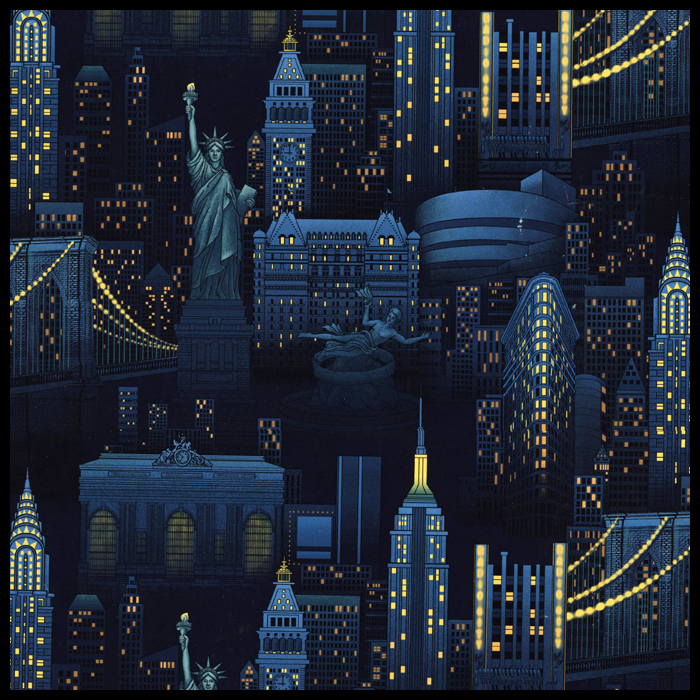
Custom Silk Scarf Manufacturer
By the early twentieth century, the great Parisian silk houses had elevated the conversational print into a signature art form. Hermès, founded as a harness maker, brought its equestrian heritage directly onto silk in 1937 with the first of what would become its legendary carré series. The bridles, stirrups, and hunting horns that appeared on those early scarves were not mere decoration — they were encyclopedic documents of a way of life, rendered by illustrators who worked in ink and gouache with the precision of engravers. Other houses followed, commissioning artists to design scarves featuring nautical maps, botanical specimens, musical instruments, architectural monuments, and the tools of artisanal crafts. The conversational print became a vehicle for cultural memory, a wearable archive of the things a civilization considered worth preserving.
Through the mid-century, American designers embraced the format with particular enthusiasm, producing scarves depicting dogs of every breed, state flowers, vintage automobiles, and American landmarks. In Japan, where the silk tradition is ancient and the reverence for craft profound, conversational prints often drew on woodblock print imagery — cranes, koi, chrysanthemums, and temple landscapes translated into the language of repeat pattern. Today the conversational theme print lives across every luxury tier of the silk market, from investment-grade collector pieces to accessible contemporary designs, and it shows no sign of diminishing. Its appeal is simple and permanent: it tells a story, and we are creatures who cannot resist a story.
Wearing a conversational print silk scarf well requires understanding that the scarf itself is already doing substantial visual work. The richest way to style it is against a ground of understated elegance. A tightly knotted classic square fold at the neck — the Hermès flat knot or the simple bias-folded triangle — sits beautifully over a crisp white cotton shirt tucked into high-waisted tailored trousers. The white shirt acts as breathing space, allowing the print to read clearly without competing with pattern elsewhere in the outfit. Add a structured blazer in camel or navy and the result is polished, authoritative, and quietly witty.
For a softer approach, the scarf worn loosely looped as a neckerchief over a fine-knit silk or cashmere turtleneck in a solid neutral draws out the colors of the print while maintaining an air of effortless ease. This combination works particularly well in autumn, when a scarf in warm terracotta, hunter green, or burgundy tones — perhaps depicting autumn leaves, sporting scenes, or harvest imagery — reads as genuinely seasonal rather than decorative for its own sake.
The conversational scarf also rewards adventurous accessory placement. Tied to the handle of a structured leather handbag in a loose bow, it adds color and personality to an otherwise minimal outfit of wide-leg trousers and a silk blouse. Worn as a headscarf in the Italian manner — folded diagonally, placed low across the forehead, and knotted beneath the chin — it transforms a simple shift dress and mules into something with the romantic energy of a vintage film. On the wrist, folded narrow and tied in a simple knot over the cuff of a linen jacket, it functions like a statement bracelet with considerably more warmth and texture than any metal could provide.
The essential rule, if there is one, is restraint in the rest of the outfit. The conversational print is inherently narrative and visually generous. It asks only that you give it the space to be heard — and in that, it is very much like the best conversation.
Silk scarf for conversational theme pattern style theme is a great printed art motif that can be enjoyed the classical theme of the past by everyone. Everyone can create fun style with such a elegant printed design pattern for any silk scarf produce.
EZSilk is the most trusted silk fabric online company that offers free silk fabric sample service as well as free silk fabric color card, a leading silk fabric online supplier for silk fabric by the yard market and silk scarf manufacturer. They are aiming high-end silk fabric and custom silk scarves. They offer more than 100s colors per each silk fabric.
EZSilk is renowned as silk scarf manufacturers in the United States, silk necktie manufacturers in the USA. Silk scarf production has been started since 2001 with custom silk scarves development.
EZSilk emphasizes only high quality silk products along with silk fabric.
 |
| Silk Scarf Manufacturers |


Comments
Post a Comment