Sarasa Pattern Print and the Silk Scarf
Sarasa Pattern Print and the Silk Scarf
 |
| Sarasa Pattern Print and the Silk Scarf |
Few textile prints carry the quiet authority of the sarasa. Rich in cultural memory and exquisitely suited to the drape of silk, the sarasa pattern has traveled across centuries and continents to arrive, still radiantly alive, at the modern wardrobe. When rendered on a silk scarf, it becomes something more than an accessory. It becomes a wearable history.
The word sarasa derives from the Portuguese word "saraça," which itself traces to the Persian "sharaz" or the Sanskrit "sarasa," meaning elegant or beautiful. The design tradition began as Indian hand-painted and block-printed cotton cloth — what the West came to call chintz — that Portuguese and Dutch traders imported into Europe and Japan from the sixteenth century onward. In Japan, these imported fabrics were called sarasa, and the name stuck as Japanese craftspeople developed their own regional interpretations. The Kyoto, Nagasaki, and Edo schools of sarasa each evolved distinct visual vocabularies, but all shared a characteristic quality: intricate repeating motifs drawn from nature — flowering vines, lotus blossoms, pomegranates, peacocks, and stylized leaves — arranged within geometric frameworks and rendered in warm, jewel-toned palettes of madder red, indigo, ochre, and forest green. Over time, Indian, Persian, European, and East Asian elements fused into the sarasa aesthetic we recognize today, a beautifully hybridized design language that belongs to no single culture and yet honors all of them.
Custom Silk Scarf Manufacturer
When the sarasa pattern moves from cotton to silk, something transformative happens. The natural luminosity of silk amplifies the depth of the printed colors, making the reds more ardent and the greens more lush. The fluid weight of the fabric allows the complex, curving motifs of the sarasa to breathe as the scarf moves, so the pattern never appears static. A silk scarf printed in the sarasa style is, in this sense, always slightly in motion, always catching light differently, always revealing a new detail in its repeat. For designers working with fine silk — habotai, twill, or chiffon — the sarasa pattern is a recurring reference precisely because it rewards the material so generously.
Wearing a sarasa-printed silk scarf well begins with understanding its dominant color story. Most sarasa compositions are built around one or two primary hues anchored by neutral or dark outlines. Identify that anchor color and use it as your guide. A scarf in deep madder red and ivory pairs with extraordinary ease over a crisp white linen shirt tucked into wide-leg cream trousers, the scarf knotted loosely at the neck in a simple flat knot so the full repeat is visible against the chest. The result reads as effortlessly considered, the kind of dressing that looks inherited rather than assembled.
For a more contemporary silhouette, try wearing the sarasa scarf as a head wrap with a minimalist monochrome outfit. Fold the scarf on the bias into a wide band and tie it across the forehead or wrap it turban-style over a sleek bun. Against a fitted black turtleneck and tailored wide-leg trousers, this styling positions the scarf as the singular focal point of the look, allowing the sarasa's intricate pattern to function the way a statement jewel would. It is a confident choice that suits both weekend gallery visits and relaxed evening events.
The sarasa scarf also rewards what might be called the artisan layer — draping it over the shoulders like a light shawl above a simple slip dress in a complementary solid. Choose a slip in silk or satin to maintain a consistent textile register and let the scarf fall open rather than pinning it. This approach works particularly well for warm evenings when a jacket would be excessive but bare shoulders feel underdressed. The pattern's historic richness lends the entire ensemble a depth that purely modern minimalism cannot quite achieve on its own.
Finally, do not overlook the sarasa scarf as a belt. Threaded through the loops of high-waisted trousers or tied around the waist of a trench coat, a long rectangular scarf folded to about three inches wide brings unexpected warmth and personality to what might otherwise be a utilitarian garment. The key is contrast: pair the patterned silk with something structurally strong — denim, wool, or crisp cotton — so neither element overpowers the other.
The sarasa pattern endures because it carries the rare quality of being simultaneously storied and fresh. On silk, it is unstoppable.
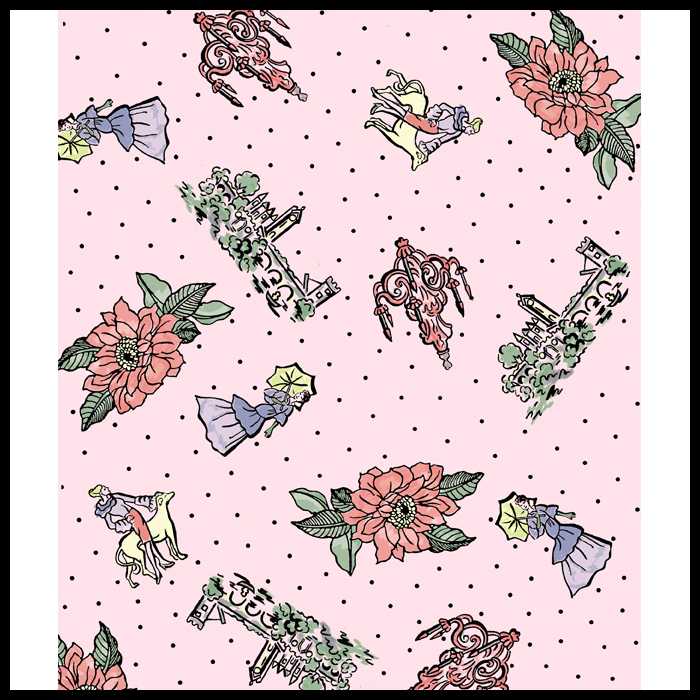
Silk scarf for Sarasa pattern style theme is a great printed art motif that can be enjoyed the classical theme of the past by everyone. Everyone can create fun style with such a elegant printed design pattern for any silk scarf produce.
EZSilk is the most trusted silk fabric online company that offers free silk fabric sample service as well as free silk fabric color card, a leading silk fabric online supplier for silk fabric by the yard market and silk scarf manufacturer. They are aiming high-end silk fabric and custom silk scarves. They offer more than 100s colors per each silk fabric.
EZSilk is renowned as silk scarf manufacturers in the United States, silk necktie manufacturers in the USA. Silk scarf production has been started since 2001 with custom silk scarves development.
EZSilk emphasizes only high quality silk products along with silk fabric.
 |
| Silk Scarf Manufacturers |


Comments
Post a Comment